All Downhill from Here
What Automatic Differentiation can Do for Optics
Benjamin Pope, UQ
benjaminpope.github.io/talks/swinburne/swinburne.html
Work in collaboration with Sydney students
Alison Wong and Louis Desdoigts,
and faculty Peter Tuthill (Sydney)
and Laurent Pueyo (STScI).
Direct Imaging
We are starting to detect planets at the epoch of formation - eg the accreting protoplanets PDS 70 bc.
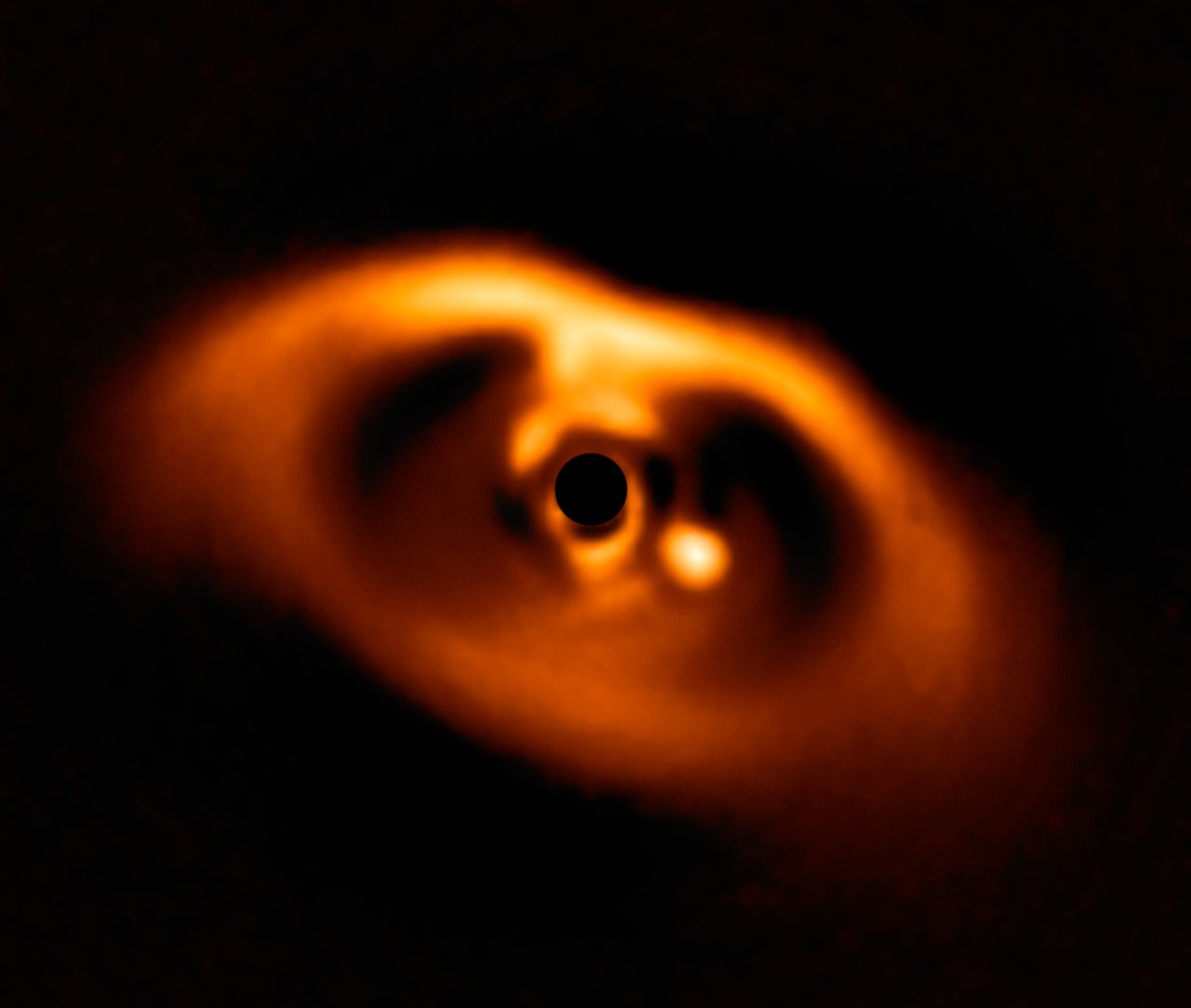
(ESO/A. Müller et al.)
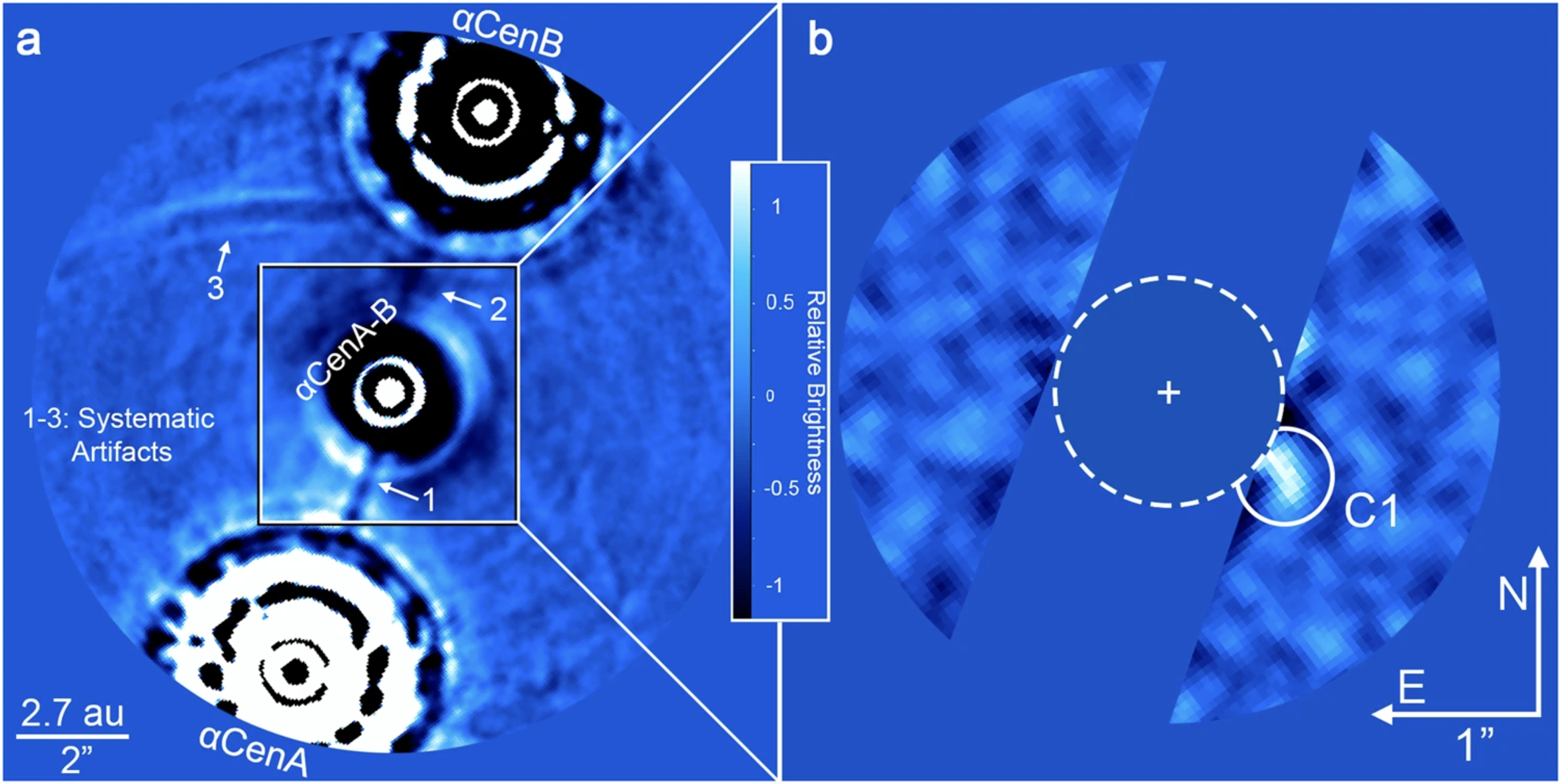
Candidate around our nearest neighbour, α Cen!
Coronagraphs
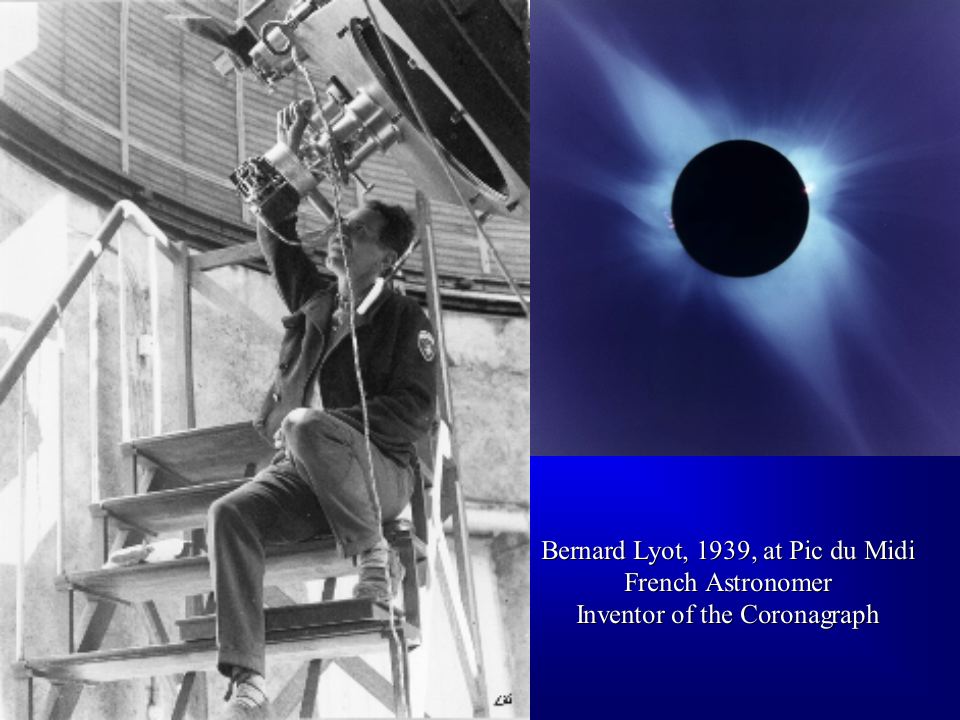
Lyot Coronagraph - Credit: Rebecca Oppenheimer, Lyot Project
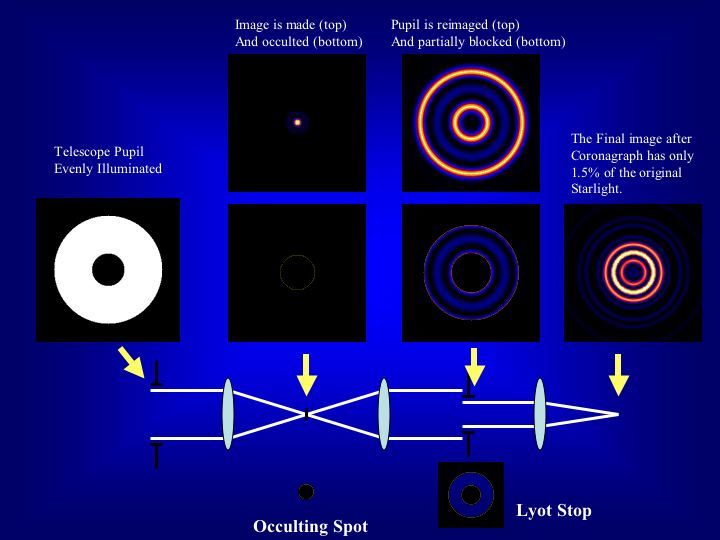
Credit: Rebecca Oppenheimer, Lyot Project
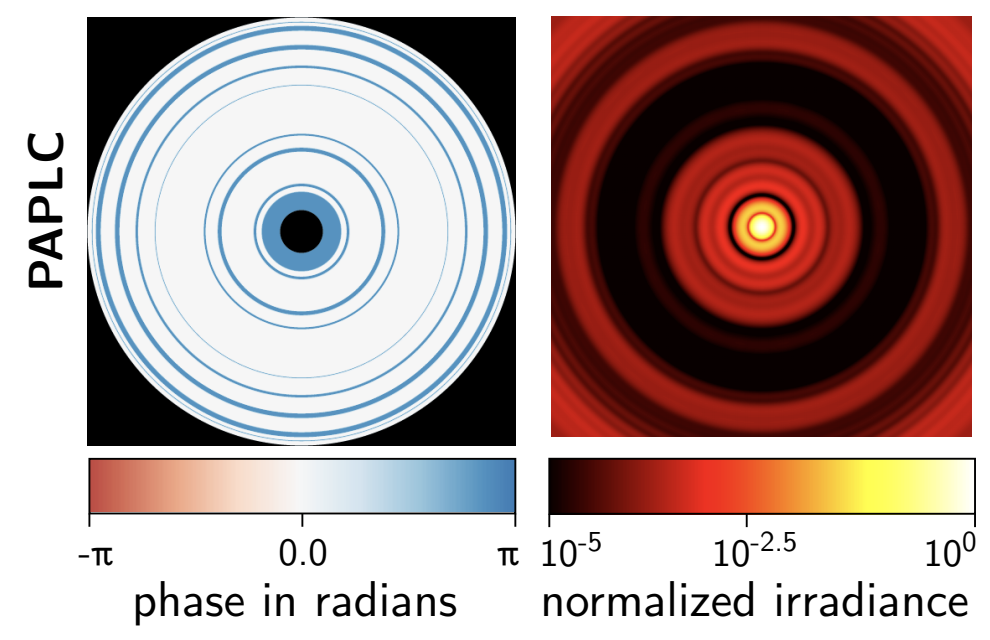
Phase Apodized Coronagraph: Por, 2019, arXiv:1908.02585
Toliman Space Telescope
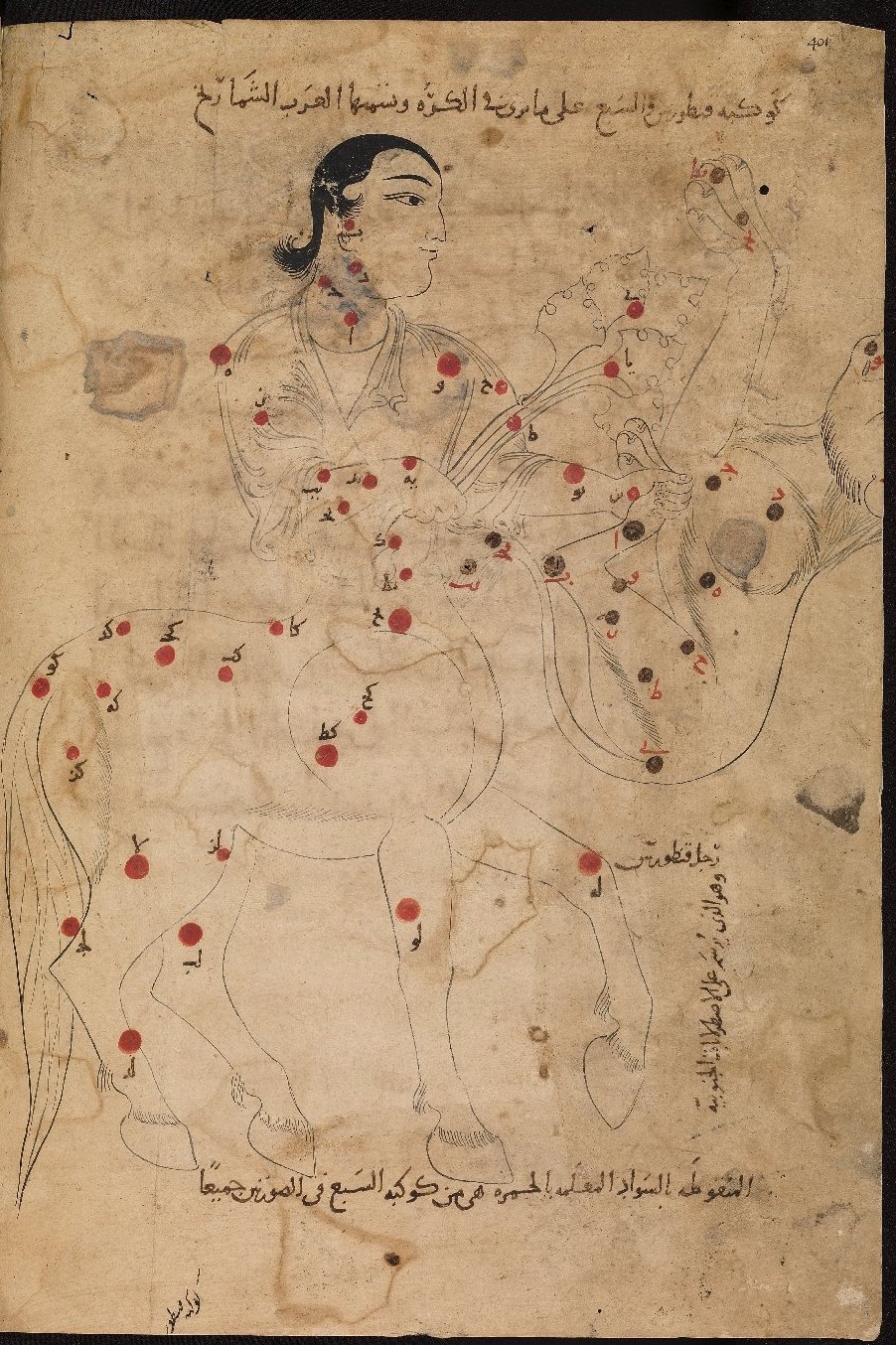
'Abd al-Rahman al-Sufi,
MS. Marsh 144,
Bodleian Library
on the southern astrolabe
Detect planets with μ-arcsec astrometry
Astrometric precision proportional to gradient energy
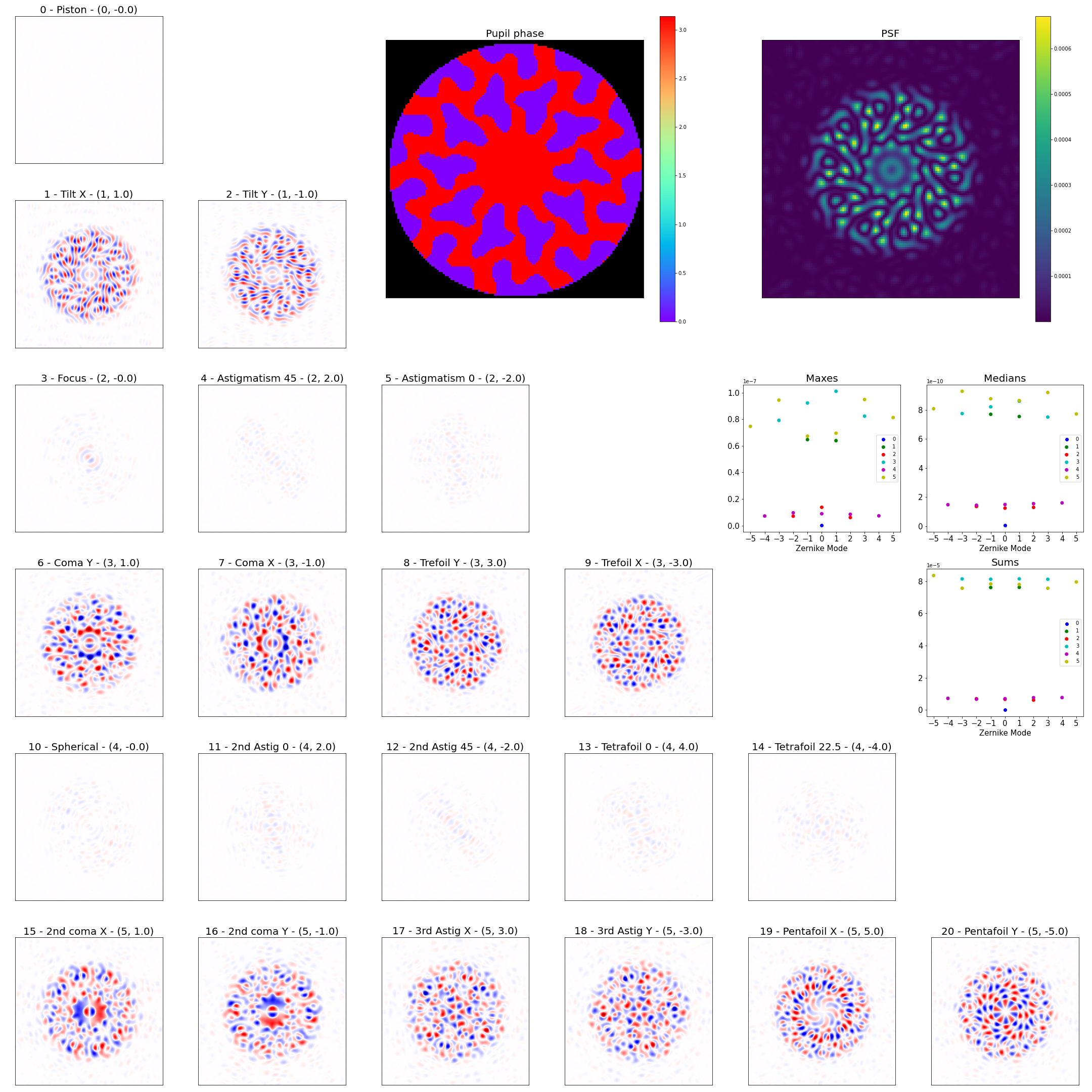
Use diffractive optic to maximize this subject to constraints
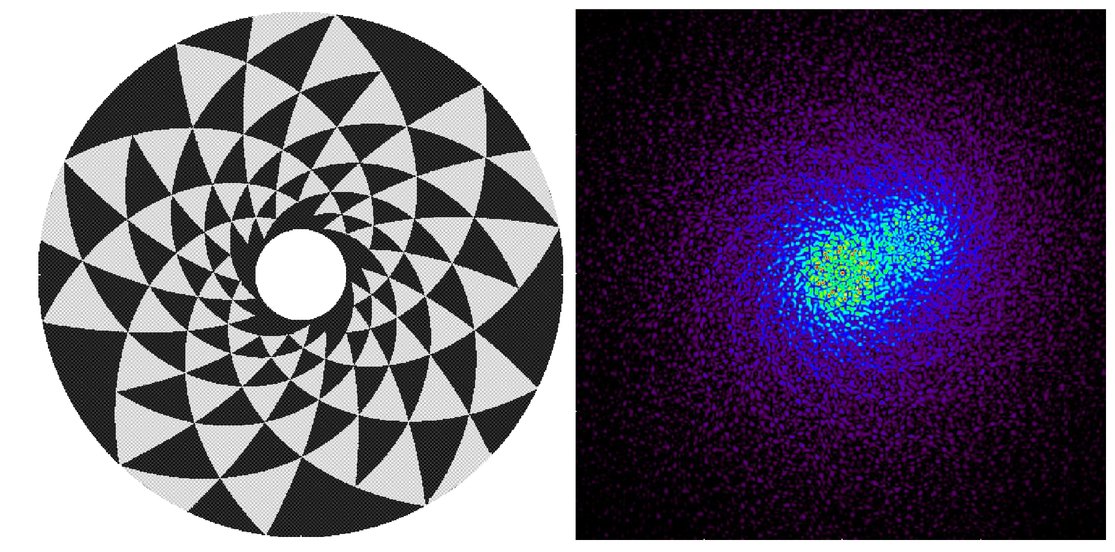
Early pupil design & simulation
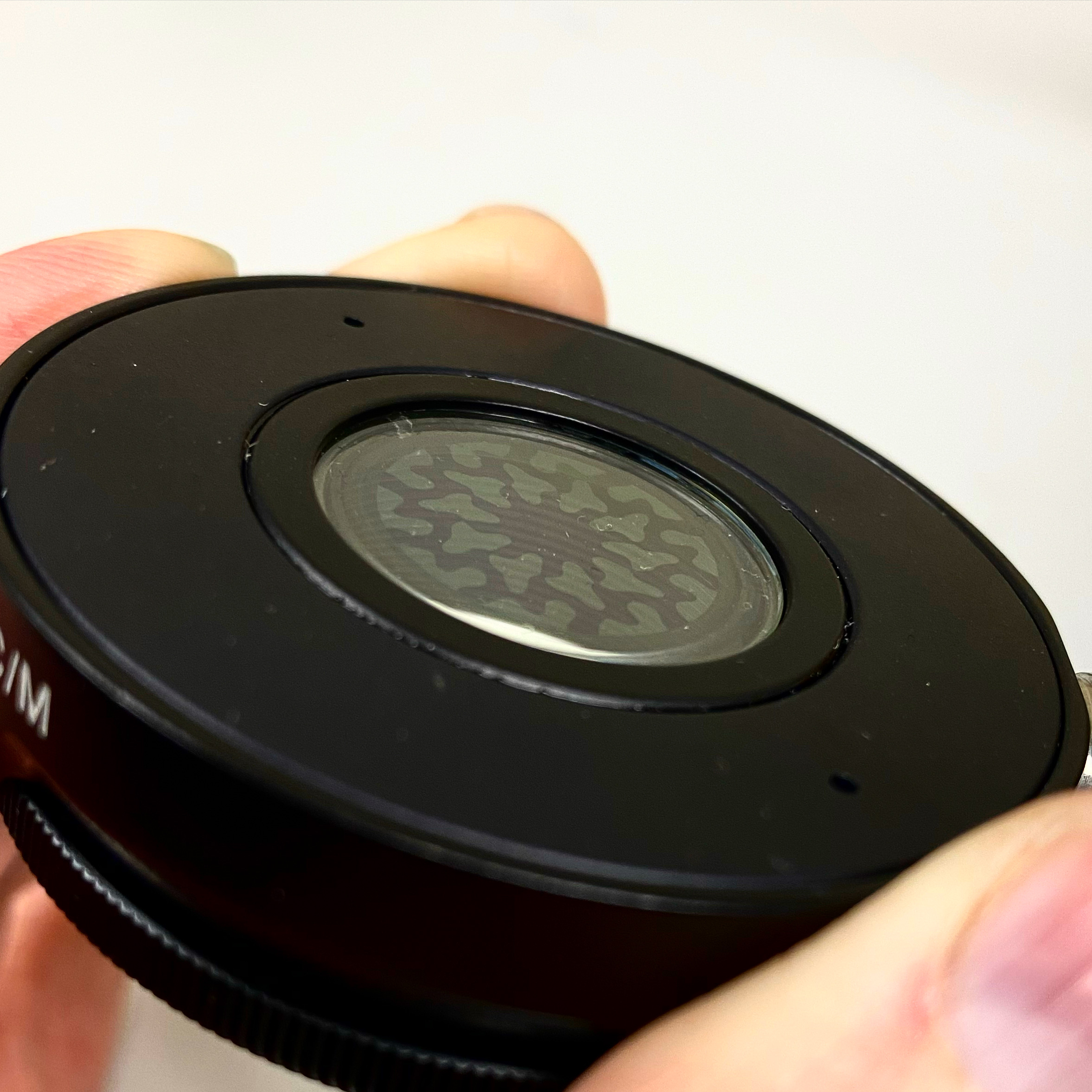
TOLIMAN lab test phase mask
Phase Problems in Direct Imaging
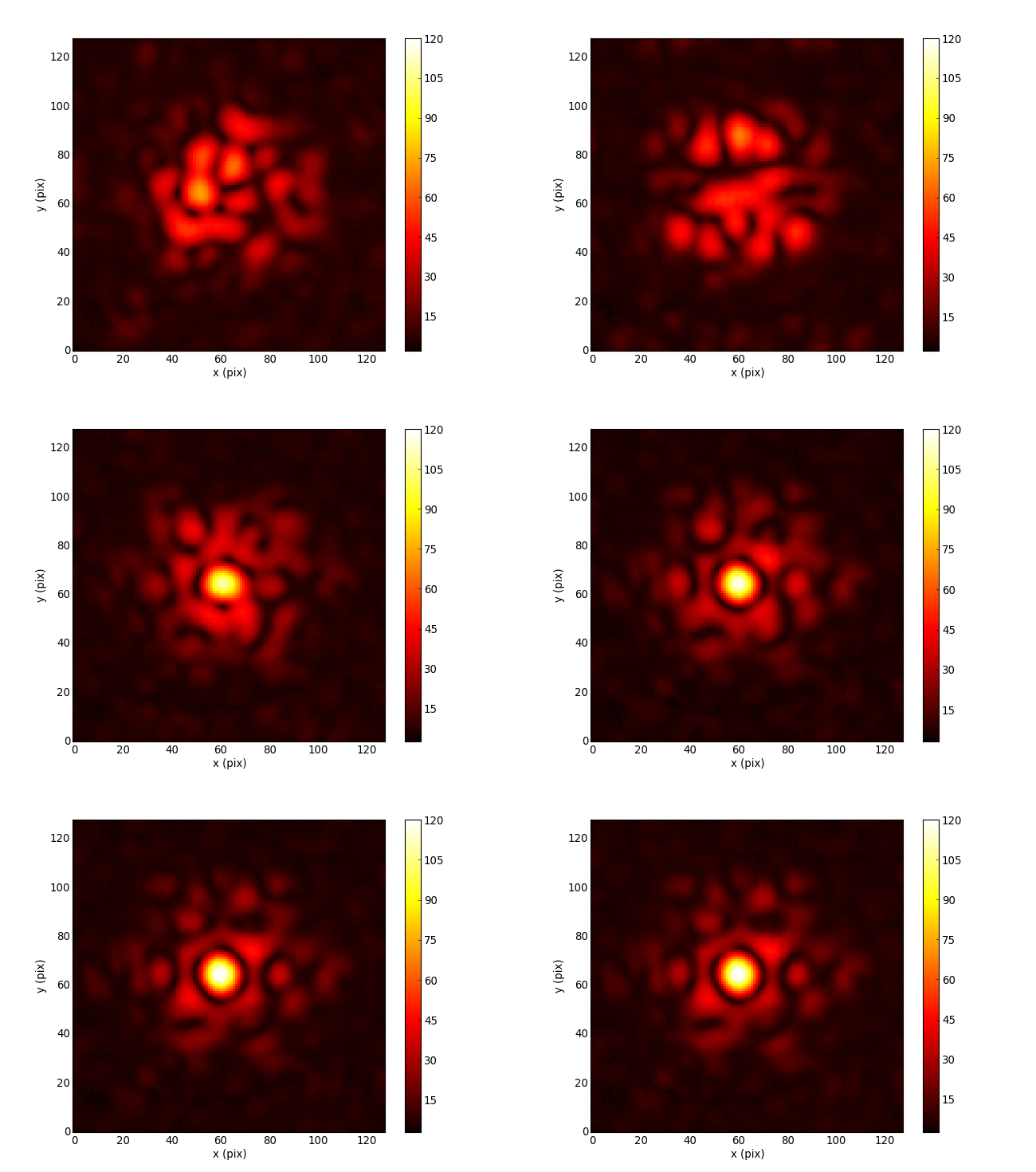
The main limitation on direct imaging is from wavefront aberrations which corrupt phase information.
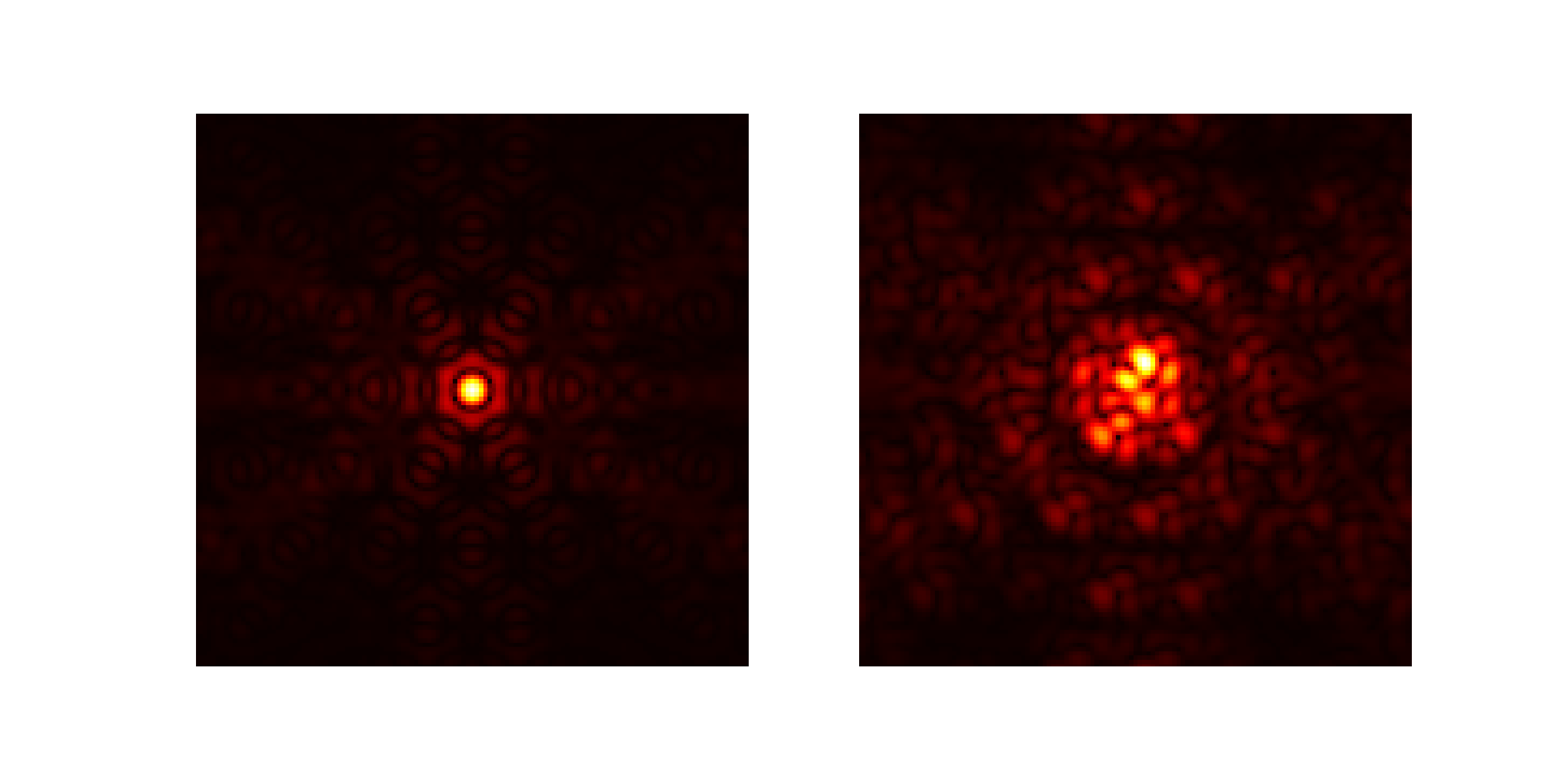
Problem 1: Phase Retrieval
Given an image, what were the aberrations in the telescope?
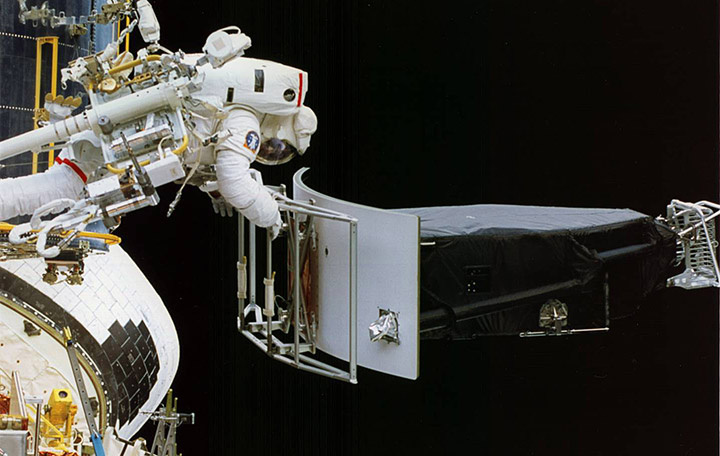
Problem 2: Phase Design
Given an objective, how do we engineer an optimal PSF?
Phase Apodized Coronagraph: Por, 2019, arXiv:1908.02585
Problem 3: Kernel Phase
How do we correct phase errors in postprocessing?
See our paper: arXiv:2011.09780!
Automatic Differentiation
What if we want to linearize an arbitrary optical system?
Optics is mathematically like machine learning: matrix multiplications and simple nonlinear functions
Can use automatic differentiation!
Autodiff is not finite differences, and it is not symbolic differentiation.
Using the chain rule you can decompose almost-arbitrary code!
Autodiff is the enabling technology for deep neural networks - you use the chain rule to take derivatives of nearly-arbitrary numerical functions.
Implementations in TensorFlow, Theano, PyTorch, Julia...
Here we use Google Jax, which resembles NumPy, to rewrite the Fourier/Fresnel optics code poppy to take derivatives
...Morphine!
Jax permits
- Just-in-time 'jit' compilation - so faster than normal poppy.
- Accelerated Linear Algebra (XLA) - including on GPUs
- Automatic differentiation!
Phase Retrieval
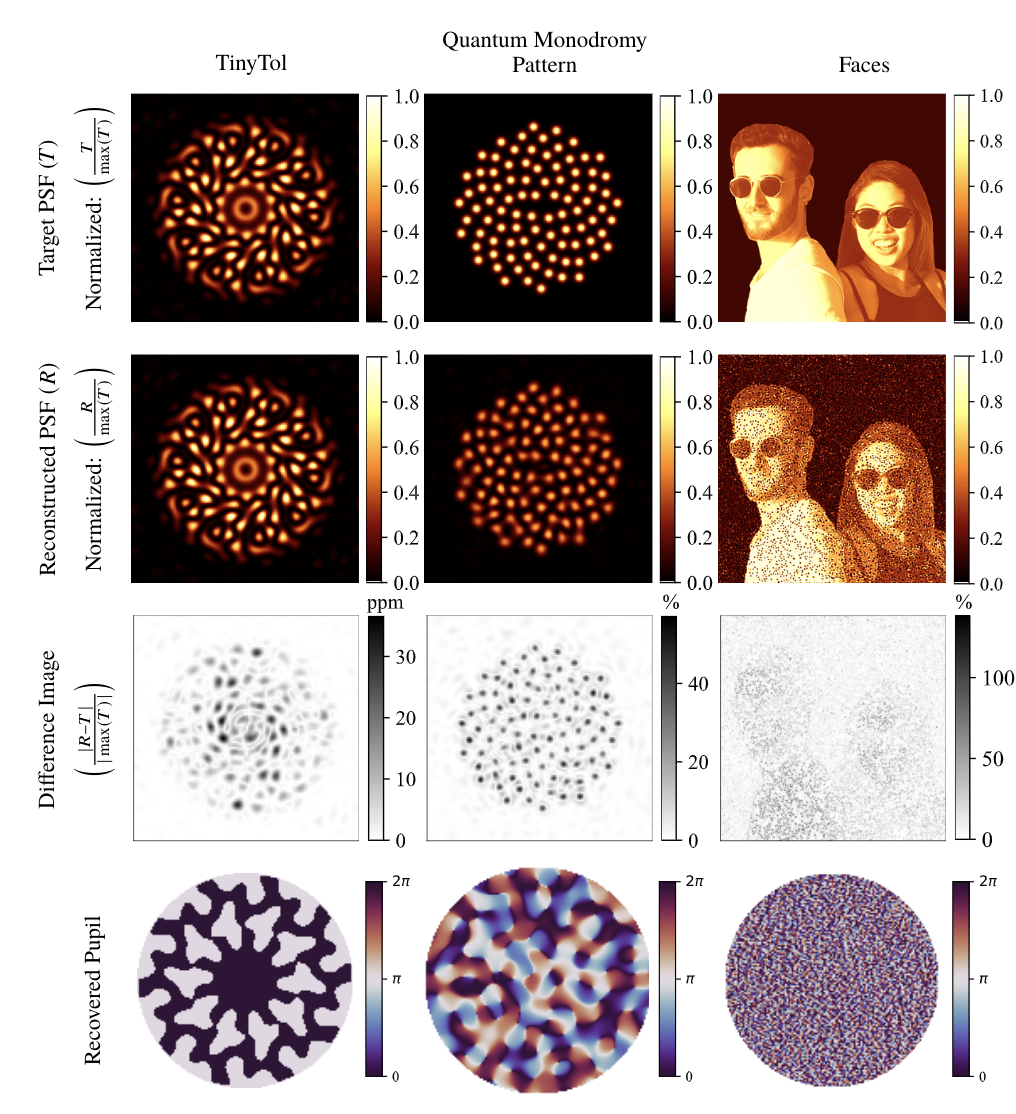
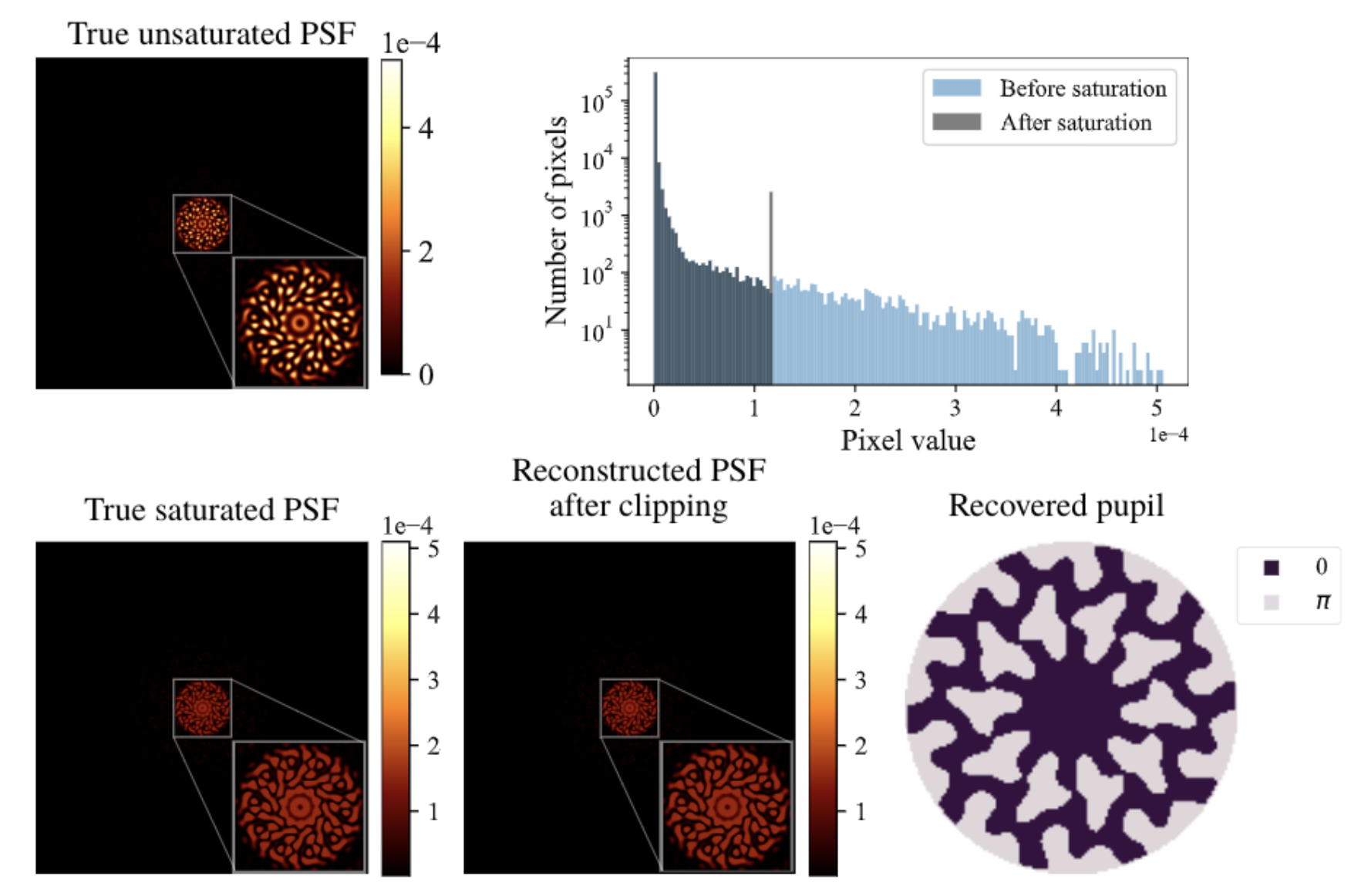
Alison Wong - phase retrieval and design by gradient descent
Phase Design
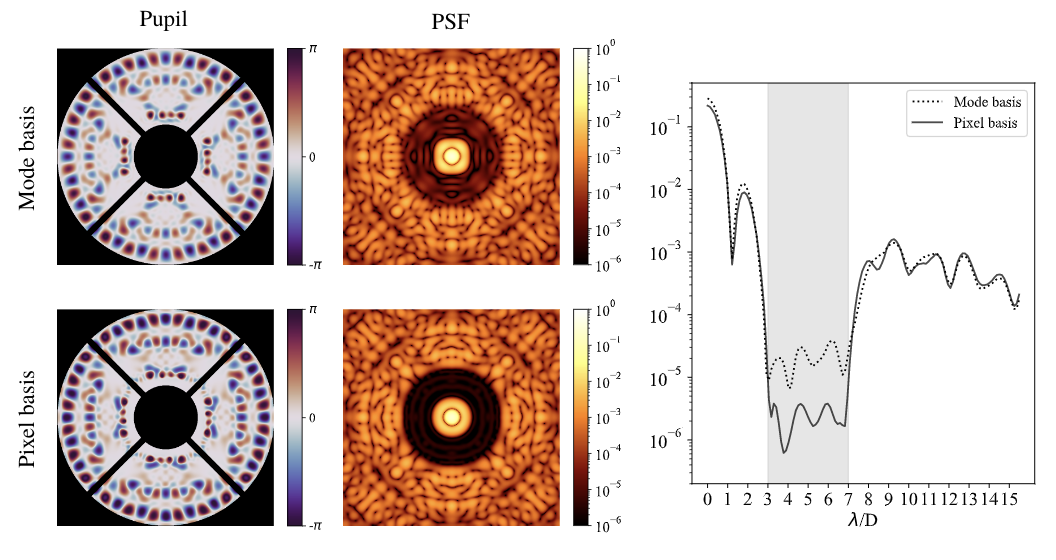
Coronagraph Phase Mask Design - try it yourself!
Louis Desdoigts - sensitivity of Toliman to Zernike modes
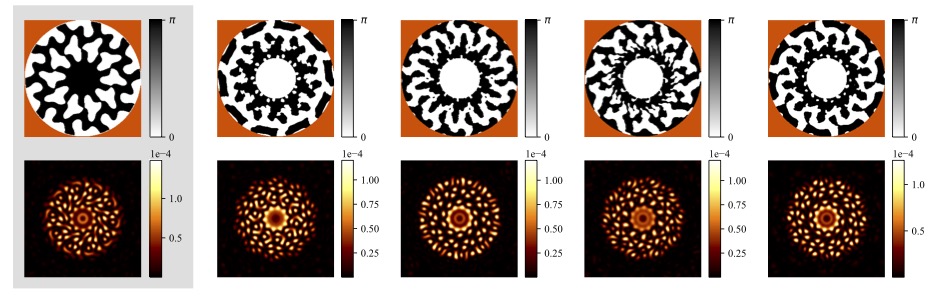
Kernel Phase
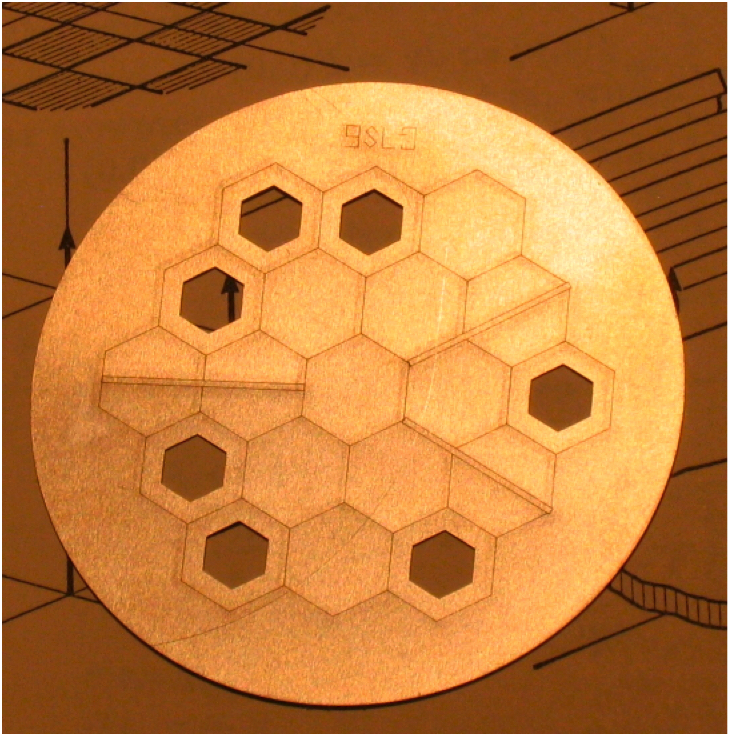
Correlate baselines around a triangle of receivers
JWST has an aperture masking instrument on NIRISS to obtain closure phases
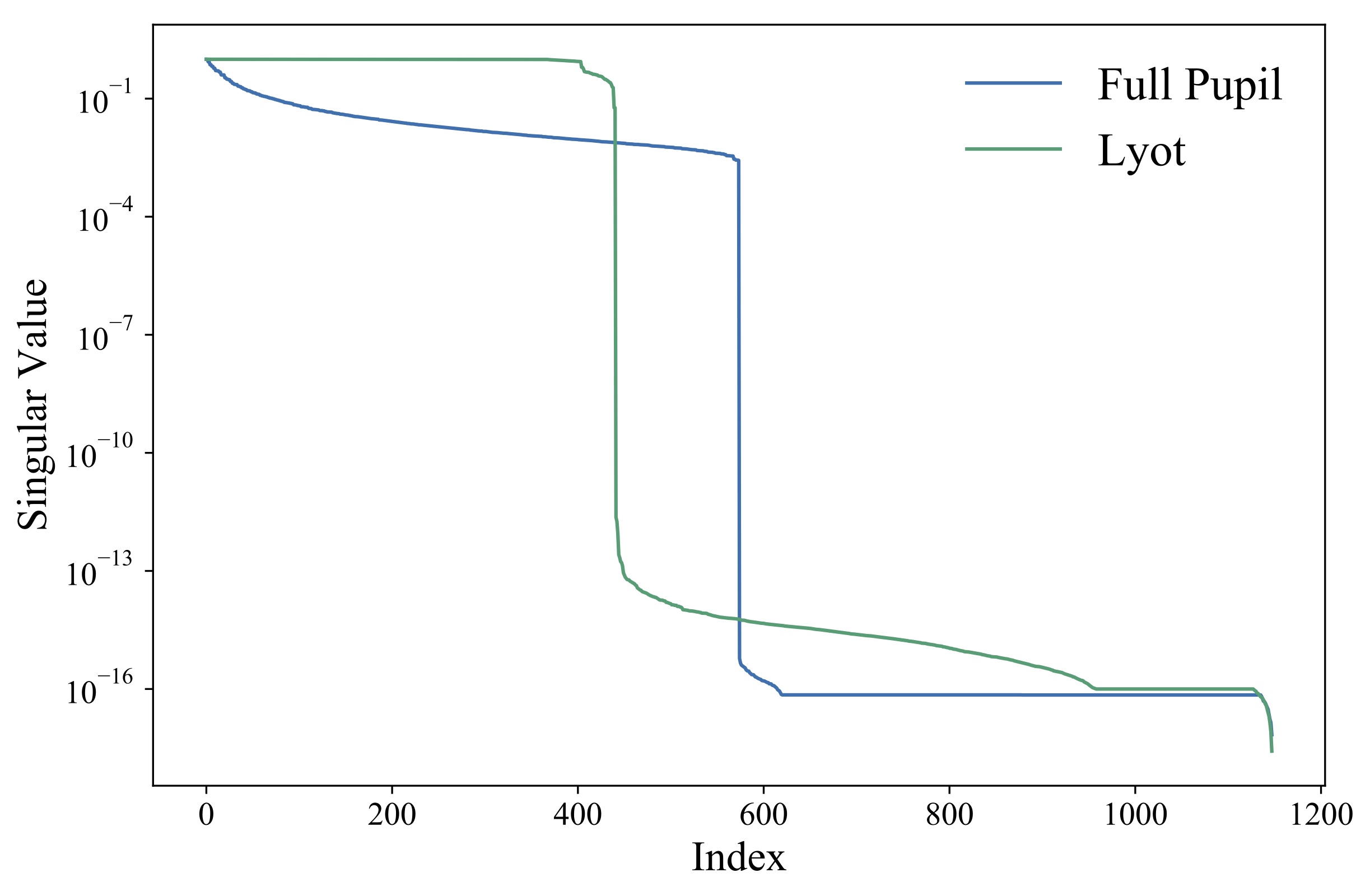
Linearize response to phase noise: suitable for stable high Strehl images, with point-source calibrators
Separate out linear subspaces of Fourier components that are immune to phase noise vs susceptible
Linearize response to phase noise - need derivative
Jacobian matrix is gradient of vector function \(\mathbf{y}(\mathbf{\theta})\):
\[ J_{i,j} \equiv \frac{\partial{y_i}}{\partial{\theta_j}} \\ \]
Every point source image gives you a free wavefront measurement in the instrument pupil!
Cophasing segmented mirror in the lab (Pope+2014)
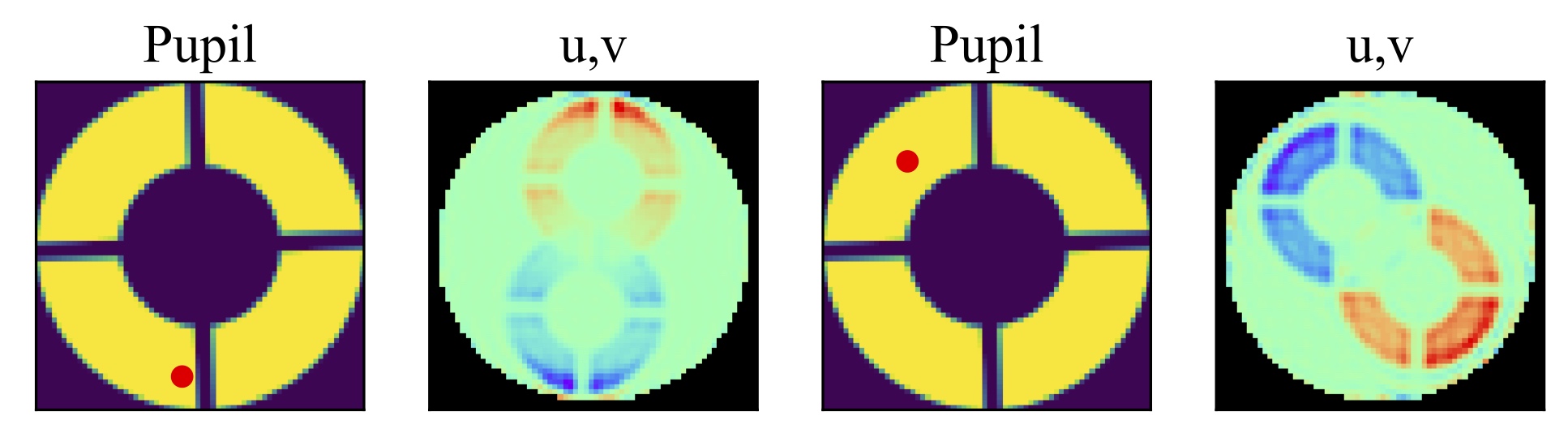
The Martinache 2010 phase transfer matrix \(\mathbf{A}_\phi\) is an analytically determined Jacobian, mapping pupil phases to their u, v effects.
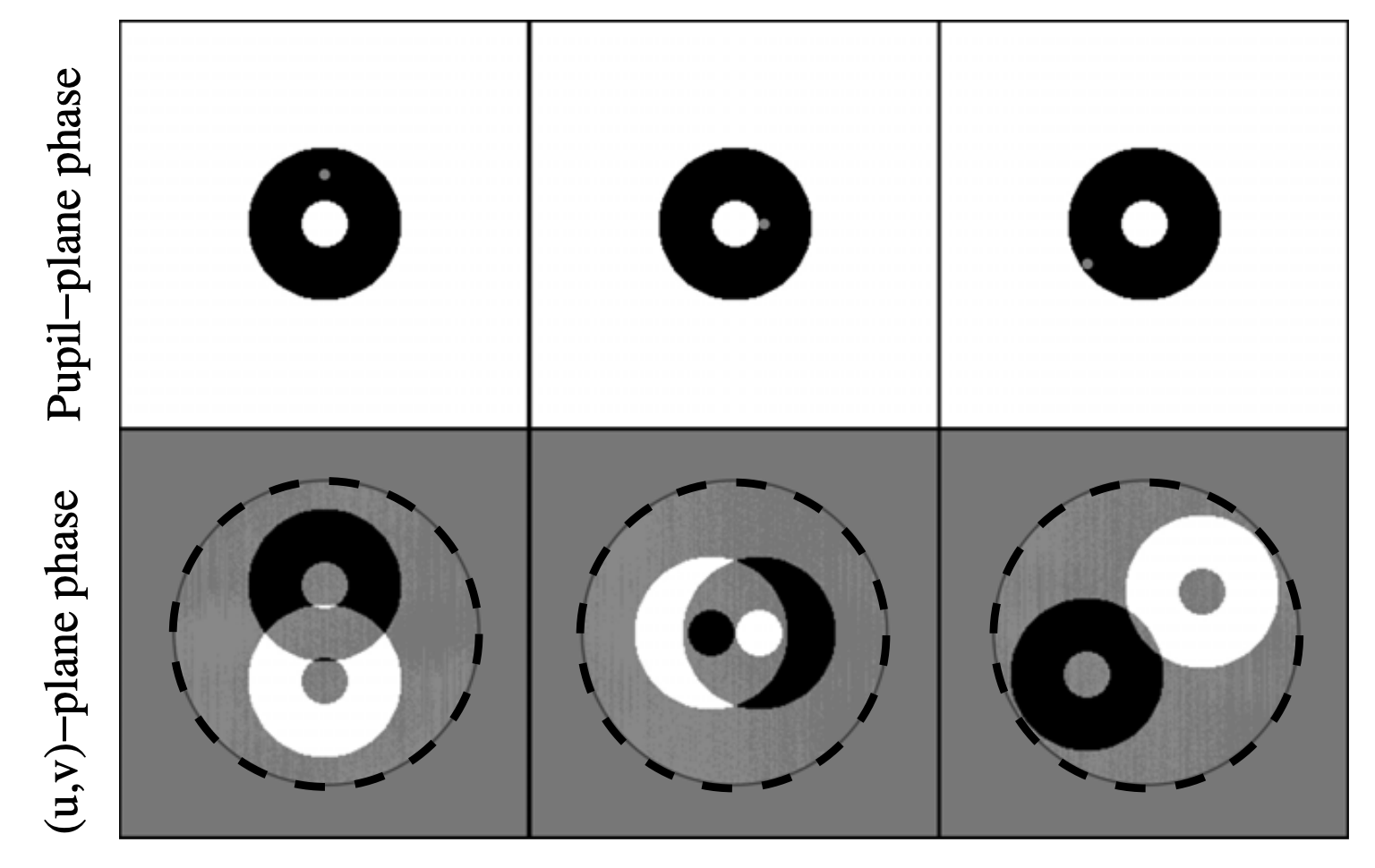
Jacobian of Palomar PHARO camera wrt phase
The Future
What else can we use this for?
Spatial light modulator enabled technology!
Particle beams?