Radio Observatons

of Star-Planet Magnetic Interaction

Benjamin Pope, UQ

Callingham et al. 2021: "The population of M dwarfs observed at low radio frequencies", Nature Astronomy

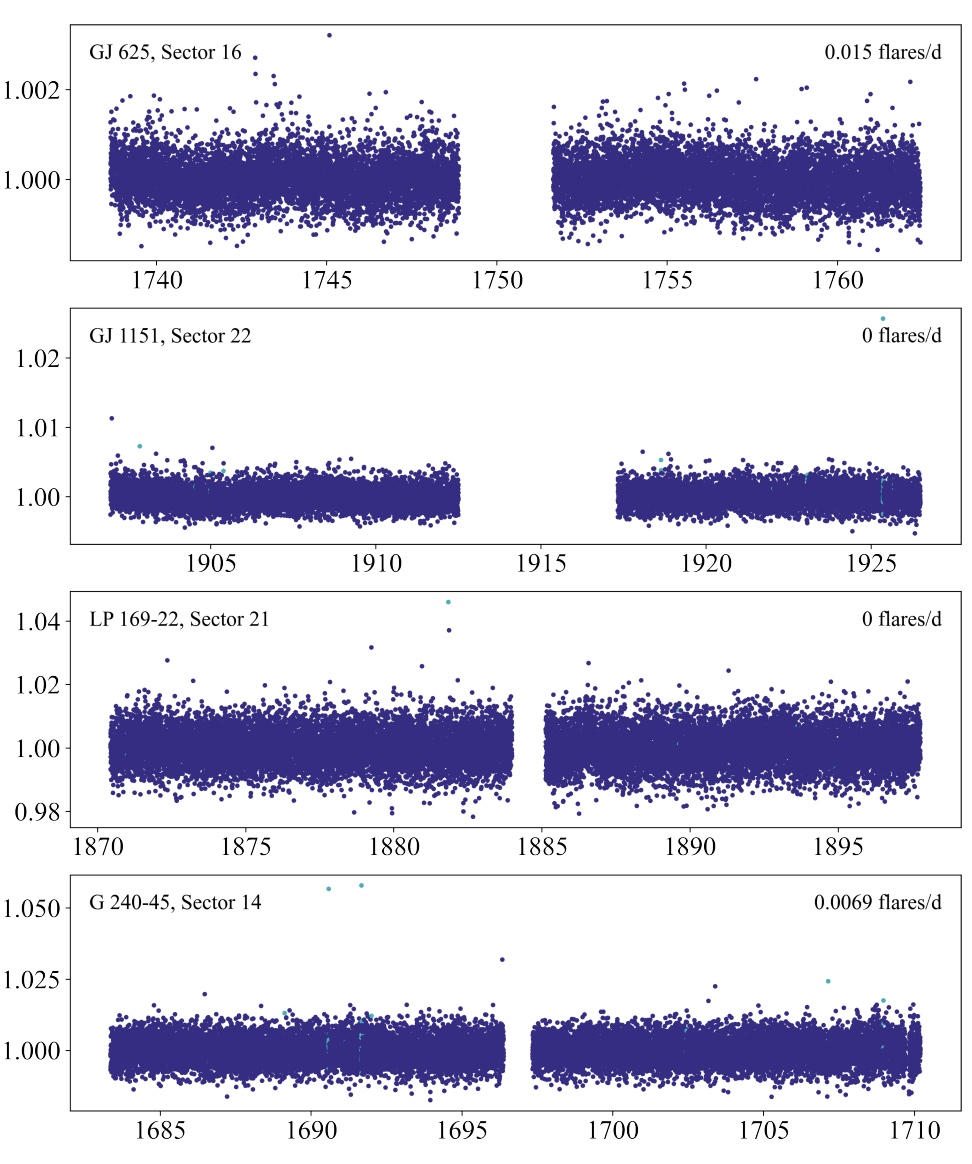
Pope et al. 2021: "The TESS View of LOFAR Radio-Emitting Stars", ApJL

Slides available at
benjaminpope.github.io/talks/usq/usq.html

Radio Astronomy

Many papers have discussed low-frequency searches for exoplanetary radio emission, with no detections so far.

Theorists now say that expanded ionospheres of hot Jupiters might self-absorb this emission down to undetectable levels.
The Square Kilometre Array (SKA) is a billion-dollar project to build a massive ~ GHz frequency SKA-Mid array in the Karoo Desert in South Africa and a ~ 100 MHz SKA-Low array in the Murchison Desert in Western Australia.
What can the SKA do for exoplanet science?
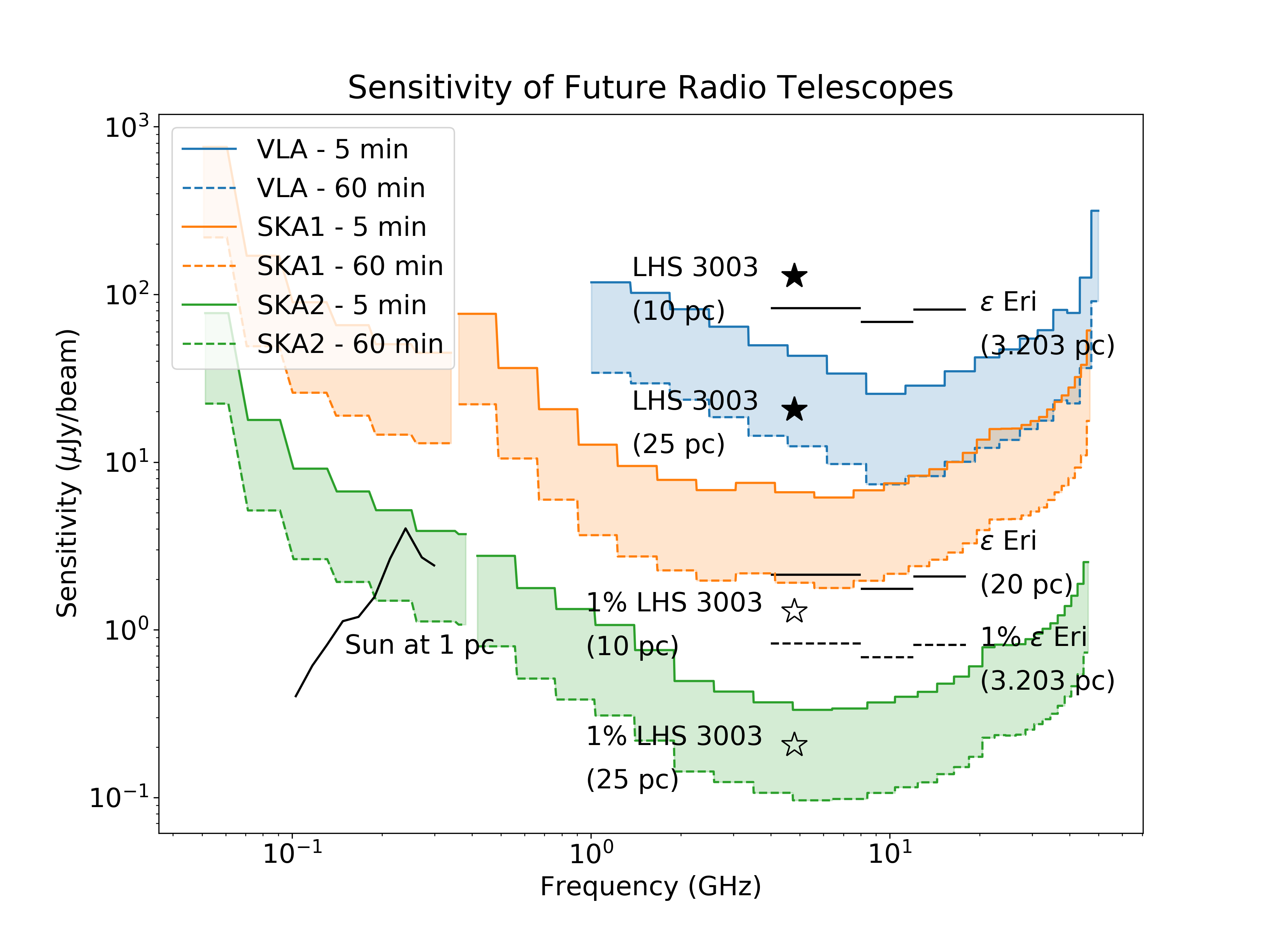
Callingham Sensitivities Figure

Radio Stars and Transits

The first and brightest celestial radio source to be discovered after the Milky Way was the Sun - brighter than 10,000 Jy across the radio spectrum.

The first radio images of the Sun revealed that emission is dominated by active regions (sunspots)
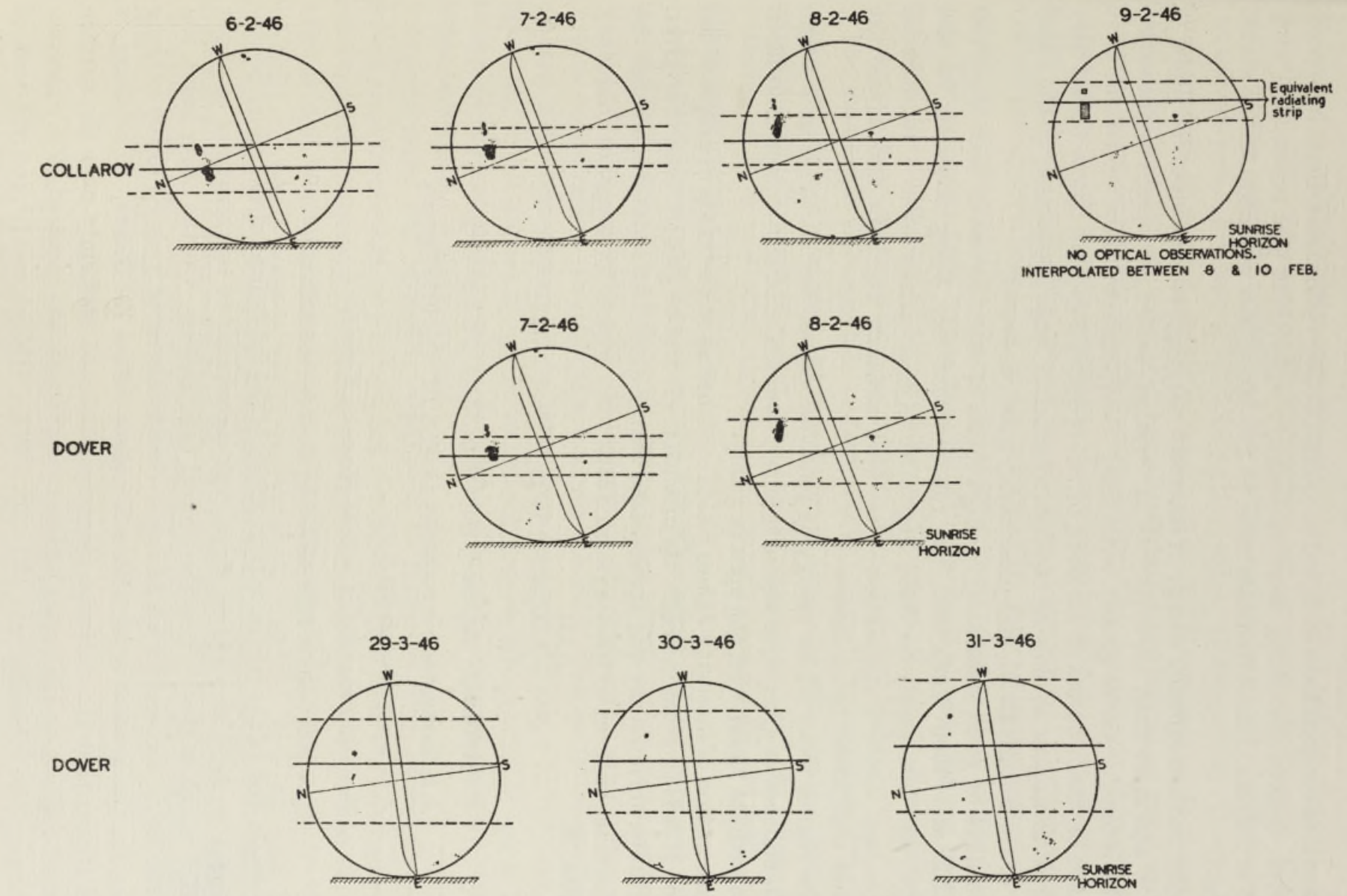
Ruby Payne-Scott Sun Images

Using 17 GHz maps of the Sun Selhorst et al predicted deep transits across active regions as seen by ALMA.
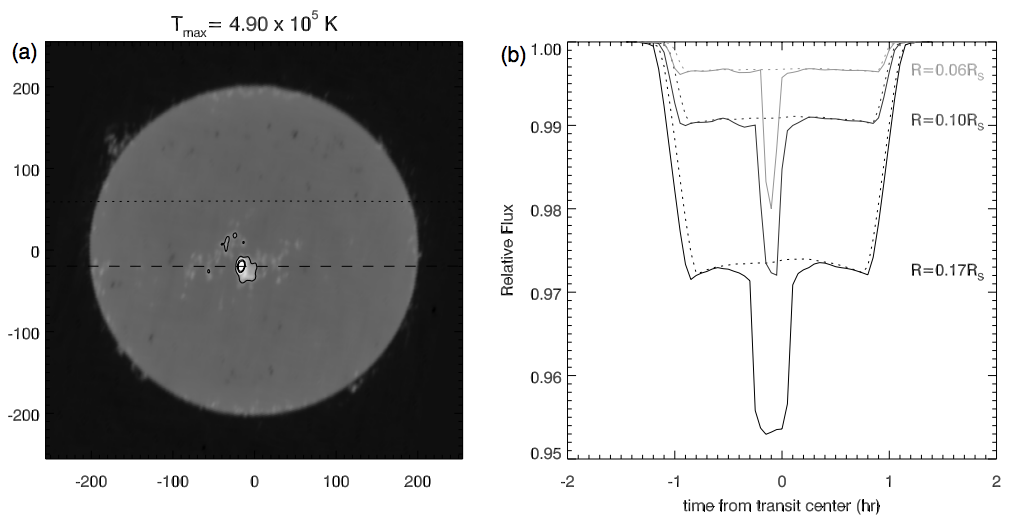
Selhorst Figure
Alas, nearby main sequence stars have ~μJy brightnesses in ALMA bands - compare to ~mJy sensitivities for 1 hr integrations with ALMA.

How well might we do with the SKA?

Using SKA design specifications, we calculate the sensitivity of the SKA to transits around solar-like stars (using VLA fluxes of ε Eridani and the MWA SED of the Sun) and M dwarfs (scaled from LHS 3003), we predict the sensitivity of the SKA to transits.

Callingham Sensitivities Figure

Magnetospheres

Twinkling and Refraction
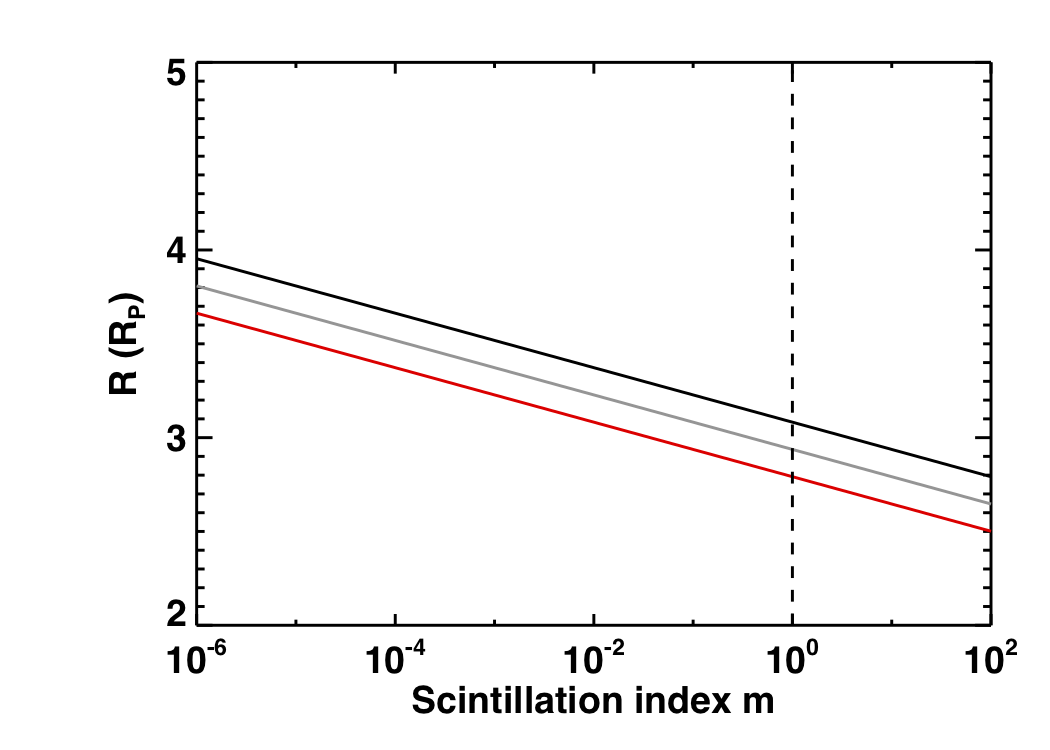
Stars twinkle because of the inhomogeneous atmosphere introducing phase delays - and Jupiter's magnetosphere does the same to quasars.
The magnetosphere of a model hot Jupiter planet is expected to cause both strong scintillation... Hot Jupiter scintillation

... and broadband strong lensing from refraction through its mean density profile.
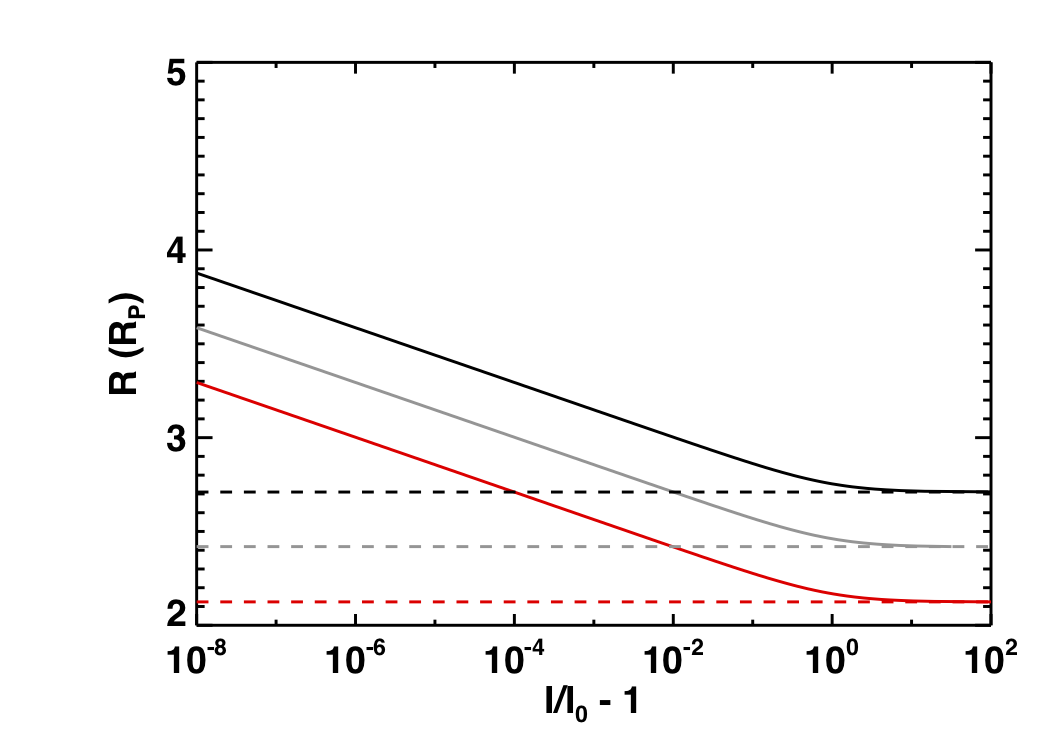
Hot Jupiter defocusing
In the strong lensing and scintillation regimes we expect modulations of order ~ unity of small-scale surface features such as spots.

LOFAR

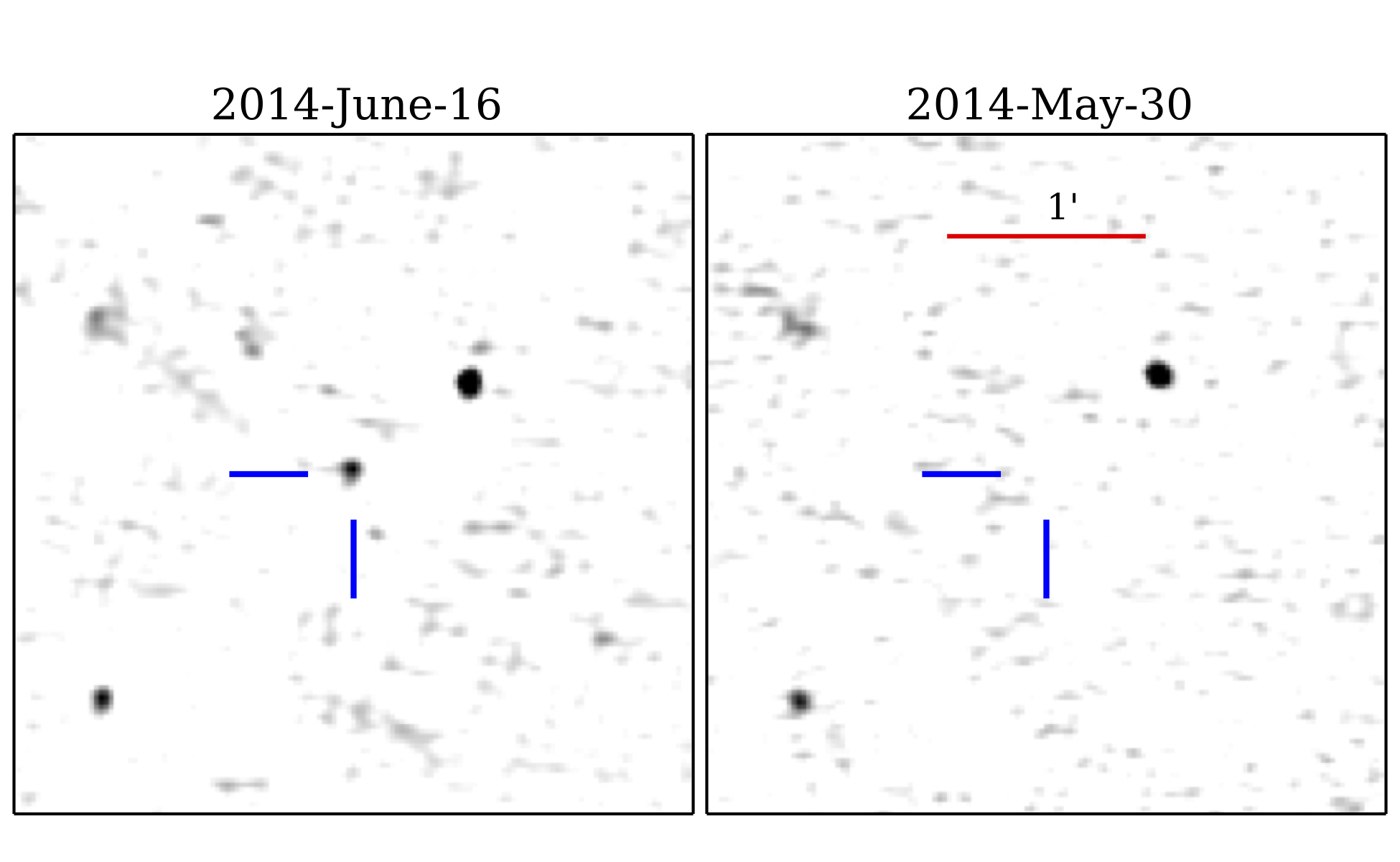
The LOw Frequency Aperture Array (LOFAR) in the Netherlands has been surveying the northern sky as a LOFAR Two-metre Sky Survey LoTSS.
Cross-matching Stokes V sources with Gaia DR2 50 pc sample we obtain many matches

GJ 1151

M dwarfs are known to be very variable in the radio, with wideband, circularly polarized flares.

... but GJ 1151 is inactive and this emission is steady during the epoch it is detected.

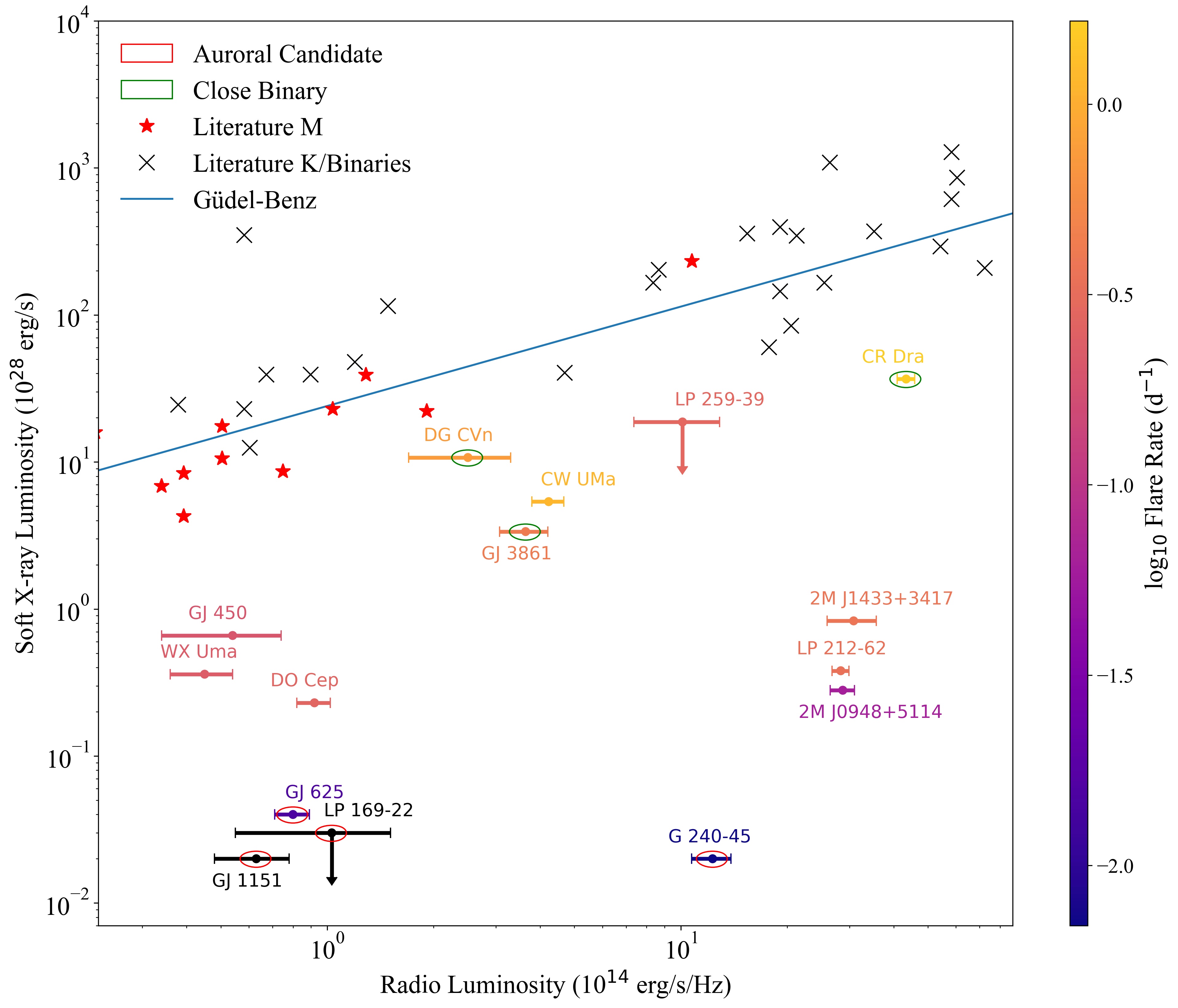
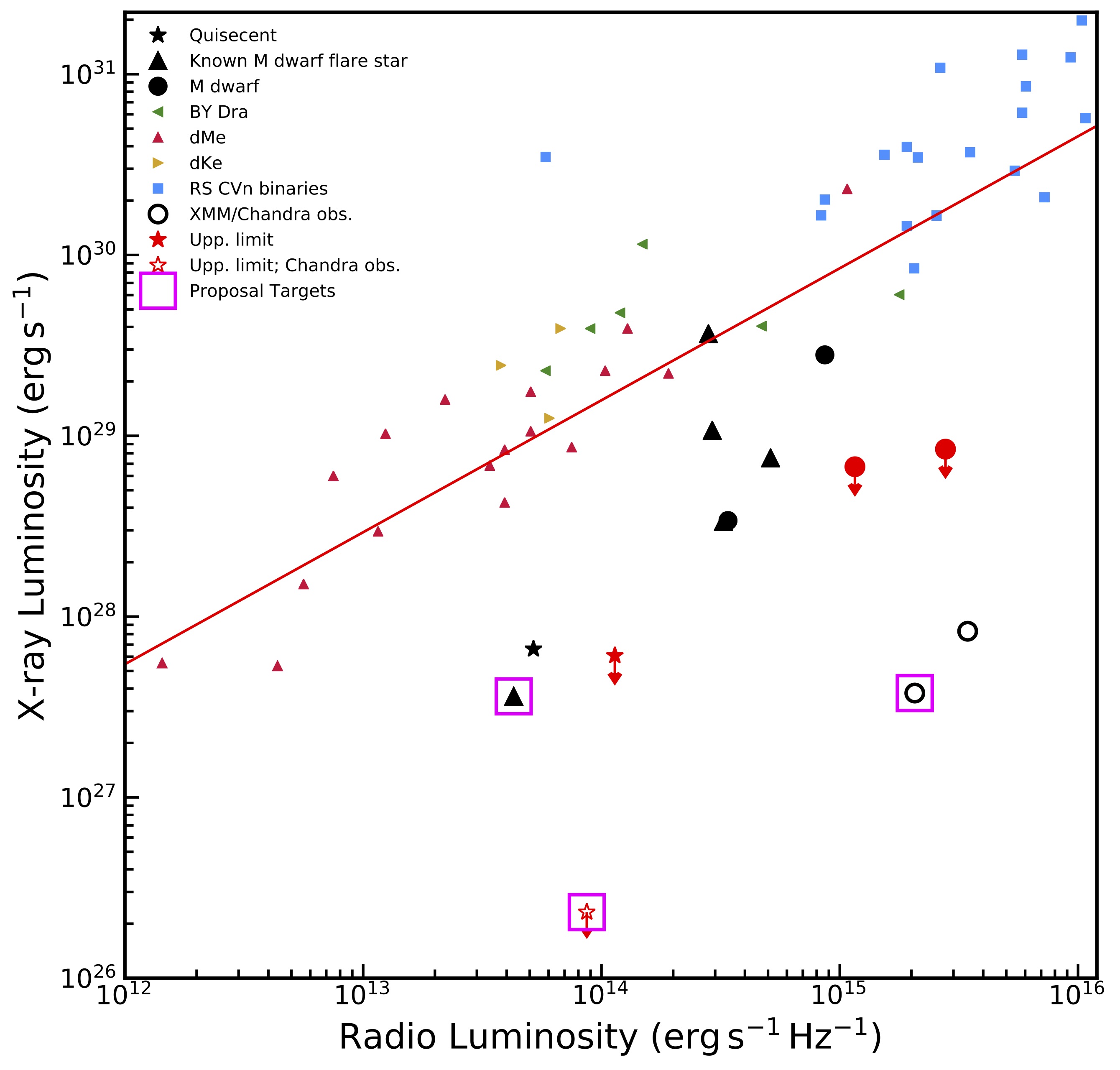
Güdel-Benz Relation
HARPS RVs
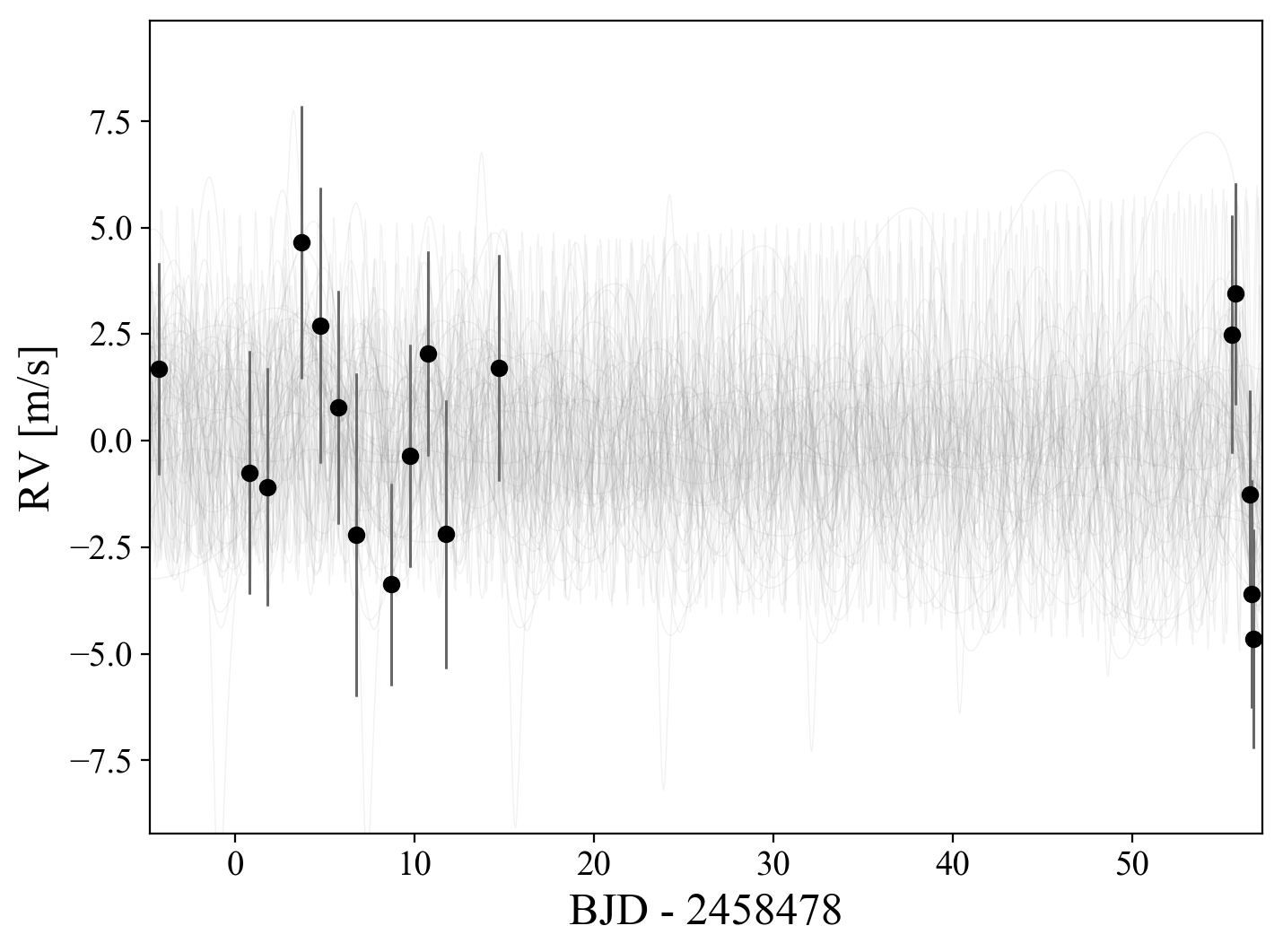
Posterior Parameters
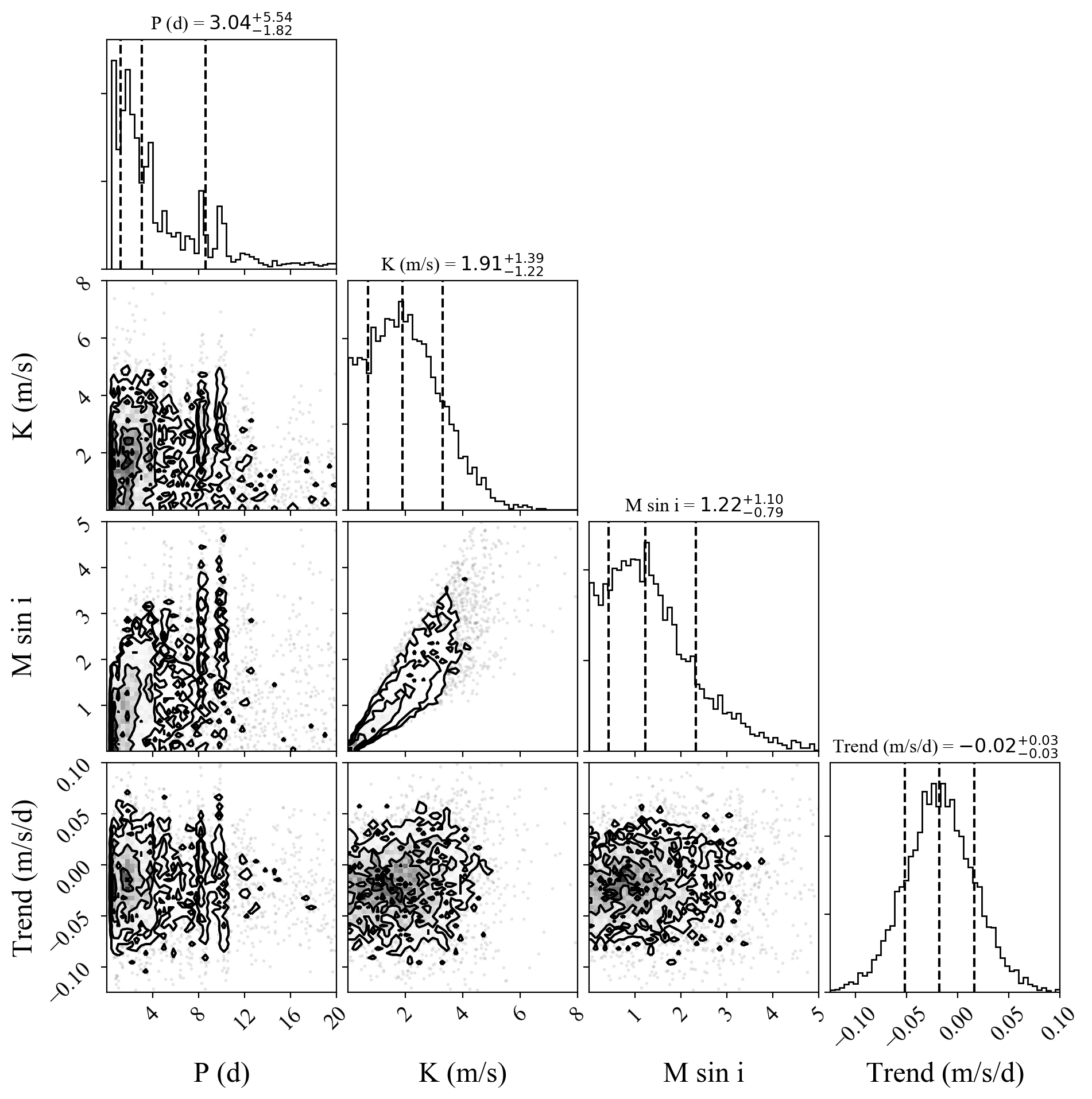
RV Followup inconclusive: Pope+ 2020, Mahadevan+ 2021, Perger+ 2021

Upper limit of 1.2m/s - about an Earth mass in a few day orbit.
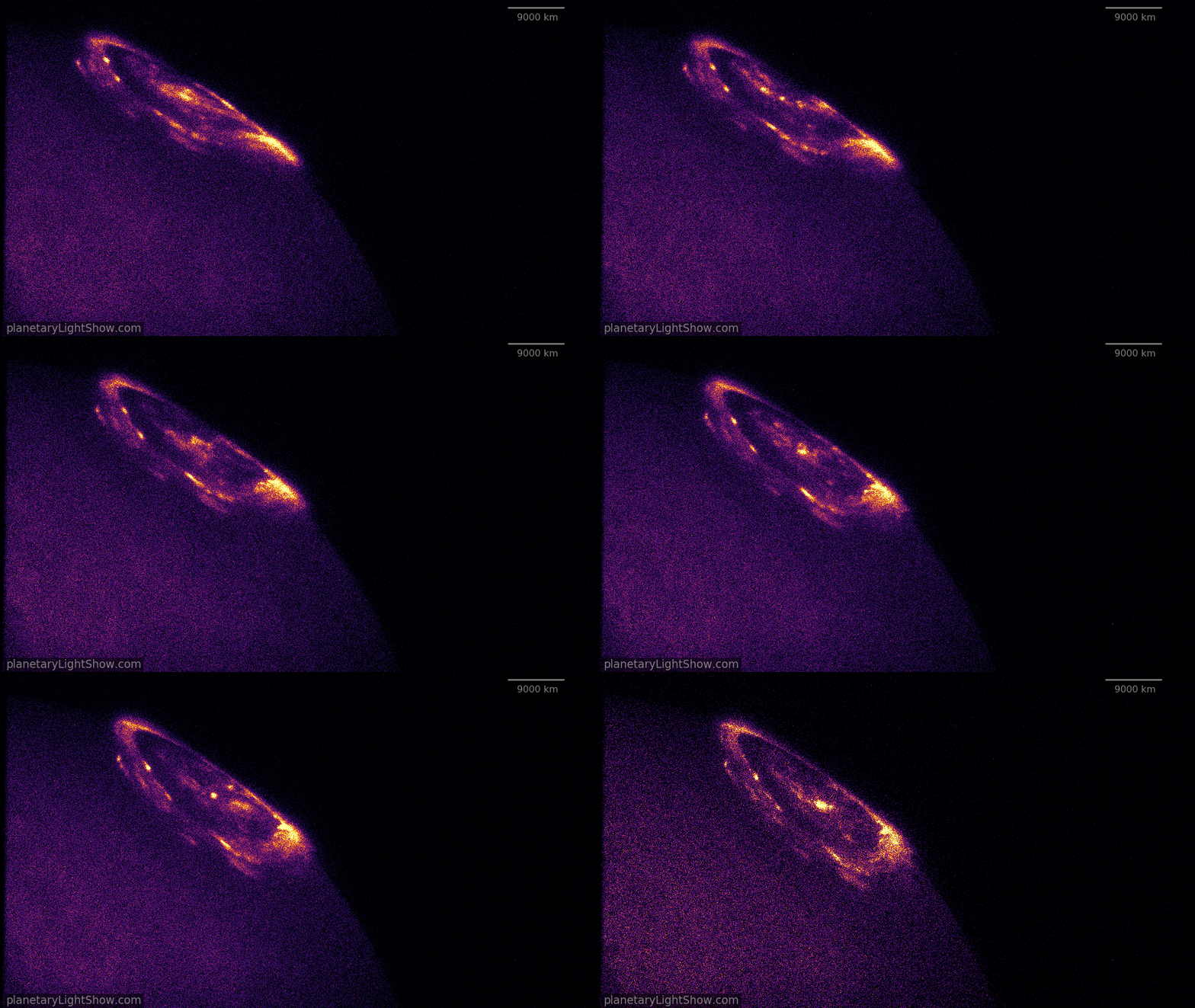
Scaled up from Jupiter-Io?

The Whole Sample

Güdel-Benz Diagram

Active stars
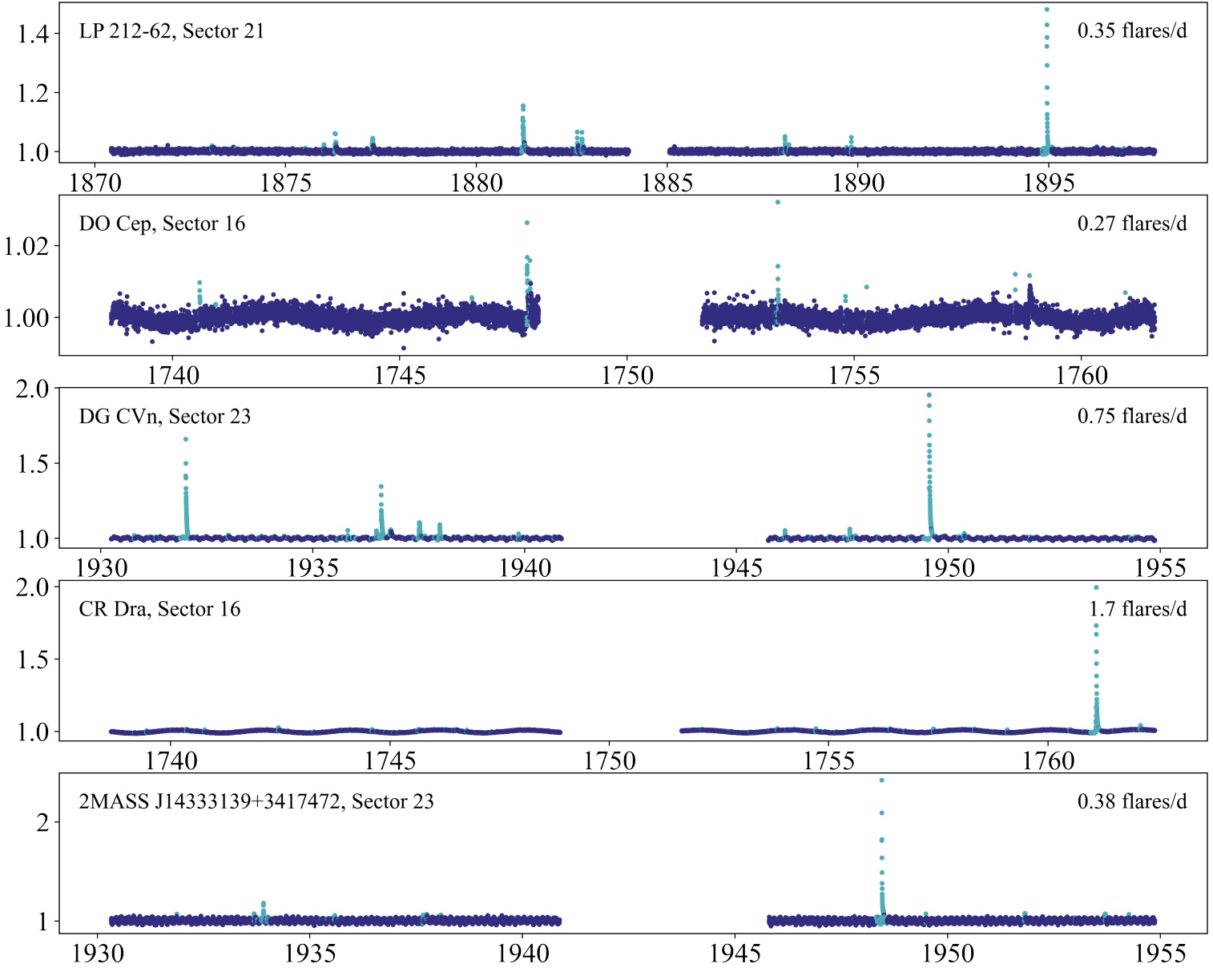
Quiescent stars
The Future

As LOFAR continues its survey we expect dozens more detections.

With the SKA - hundreds!

Joint LOFAR+TESS observation to observe flaring stars - can we constrain CMEs?
Follow up all LOFAR candidates with RVs and look for transits!
Finally the dawn of exoplanet radio astronomy (!?)